Namibia's culture is a vibrant tapestry woven from the traditions and influences of its
diverse ethnic groups. Below are key elements that make up the rich cultural heritage of
Namibia:
 Traditional Clothing and Attire:
Traditional clothing in Namibia varies significantly across different ethnic groups. The Herero
women, for example, are known for their voluminous Victorian-style dresses and horn-shaped
headdresses called "otjikaiva." The Himba people, on the other hand, are famous for their
distinctive red ochre body paint and intricate hairstyles, which serve both aesthetic and
protective purposes.
Traditional Clothing and Attire:
Traditional clothing in Namibia varies significantly across different ethnic groups. The Herero
women, for example, are known for their voluminous Victorian-style dresses and horn-shaped
headdresses called "otjikaiva." The Himba people, on the other hand, are famous for their
distinctive red ochre body paint and intricate hairstyles, which serve both aesthetic and
protective purposes.
 Language and Literature:
Namibia is a multilingual country with English as its official language. However, many
indigenous languages such as Oshiwambo, Khoekhoe, Afrikaans, and German are also widely spoken.
Namibian literature often reflects the country's complex history and cultural diversity, with
works by authors like Neshani Andreas and Joseph Diescho gaining international recognition.
Language and Literature:
Namibia is a multilingual country with English as its official language. However, many
indigenous languages such as Oshiwambo, Khoekhoe, Afrikaans, and German are also widely spoken.
Namibian literature often reflects the country's complex history and cultural diversity, with
works by authors like Neshani Andreas and Joseph Diescho gaining international recognition.
 Music and Dance:
Music and dance are integral parts of Namibian culture. Traditional music often involves
rhythmic drumming and chanting, with dance styles varying across ethnic groups. The San people,
for instance, perform trance dances as part of their spiritual practices. Contemporary Namibian
music blends traditional sounds with modern genres, creating a unique fusion celebrated in
events like the Namibian Annual Music Awards.
Music and Dance:
Music and dance are integral parts of Namibian culture. Traditional music often involves
rhythmic drumming and chanting, with dance styles varying across ethnic groups. The San people,
for instance, perform trance dances as part of their spiritual practices. Contemporary Namibian
music blends traditional sounds with modern genres, creating a unique fusion celebrated in
events like the Namibian Annual Music Awards.
 Ceremonies and Festivals:
Namibia hosts numerous ceremonies and festivals that highlight its cultural richness. The
Windhoek Carnival (WIKA) is a major event celebrating German heritage, while the Marula Festival
in the north celebrates the harvest of the marula fruit with traditional music, dance, and
feasting. The Olufuko Festival is another significant event, focusing on the initiation of young
women into adulthood.
Ceremonies and Festivals:
Namibia hosts numerous ceremonies and festivals that highlight its cultural richness. The
Windhoek Carnival (WIKA) is a major event celebrating German heritage, while the Marula Festival
in the north celebrates the harvest of the marula fruit with traditional music, dance, and
feasting. The Olufuko Festival is another significant event, focusing on the initiation of young
women into adulthood.
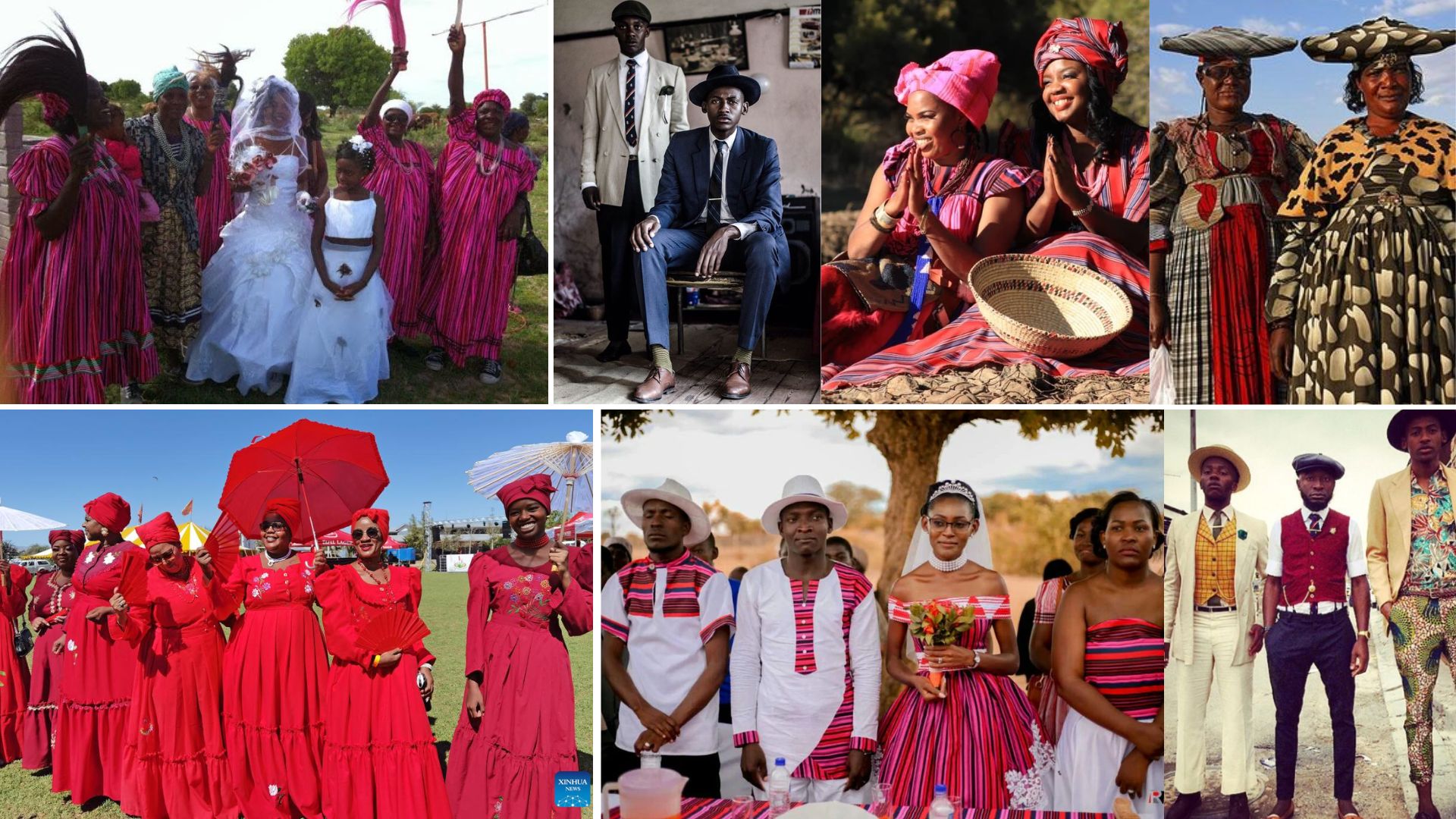
Namibia Clothing
The variety in traditional attire across Namibia's ethnic groups is remarkable. Himba women, for instance, wear skirts made from goat skins and elaborate jewelry, while Herero women don Victorian-style dresses. These clothing styles not only reflect cultural identity but also historical influences and environmental adaptations.
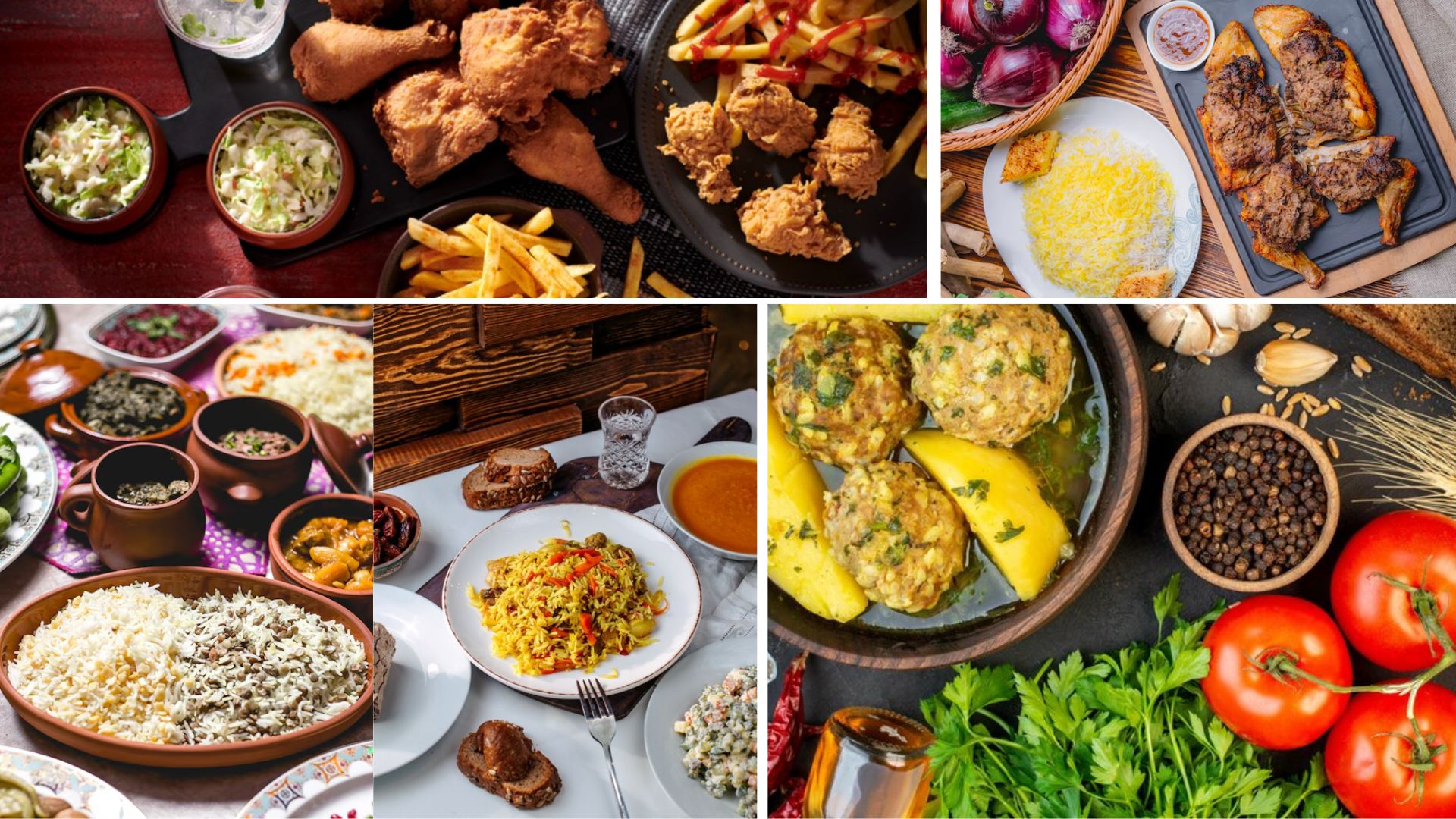
Namibia Food
Namibian cuisine is influenced by the country's ethnic diversity and colonial history. Staple foods include maize, millet, and meat. Dishes like kapana (grilled meat), potjiekos (a type of stew), and oshifima (a maize meal) are popular. The use of game meat, such as kudu and springbok, is also common in traditional recipes.
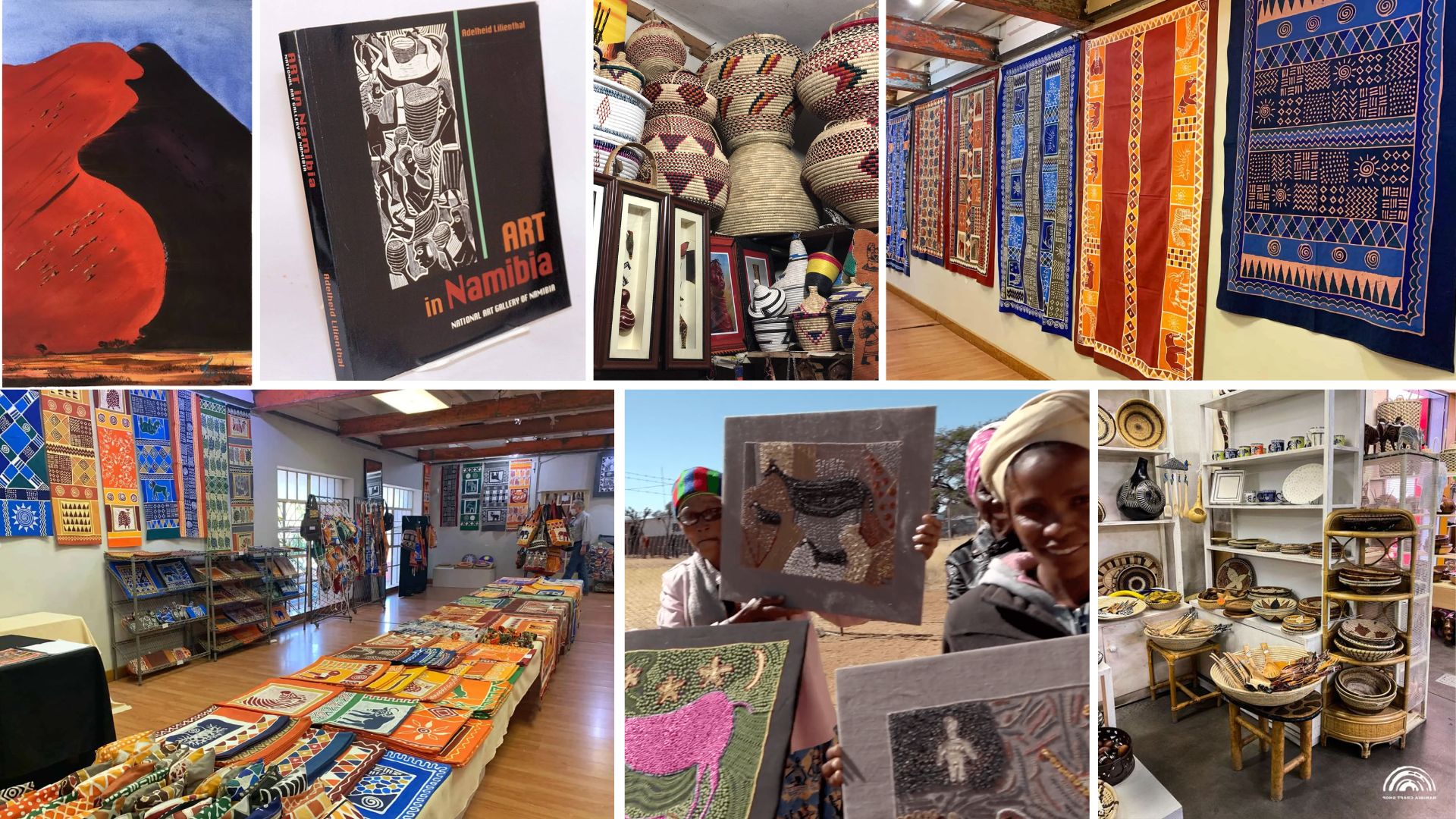
Namibia Arts and Crafts
Namibia is renowned for its vibrant arts and crafts scene. Traditional crafts include basket weaving, pottery, and beadwork, often created using natural materials. The Owambo people, for example, are known for their intricate basketry. Contemporary Namibian artists also contribute to the global art scene, with works often reflecting social and political themes.
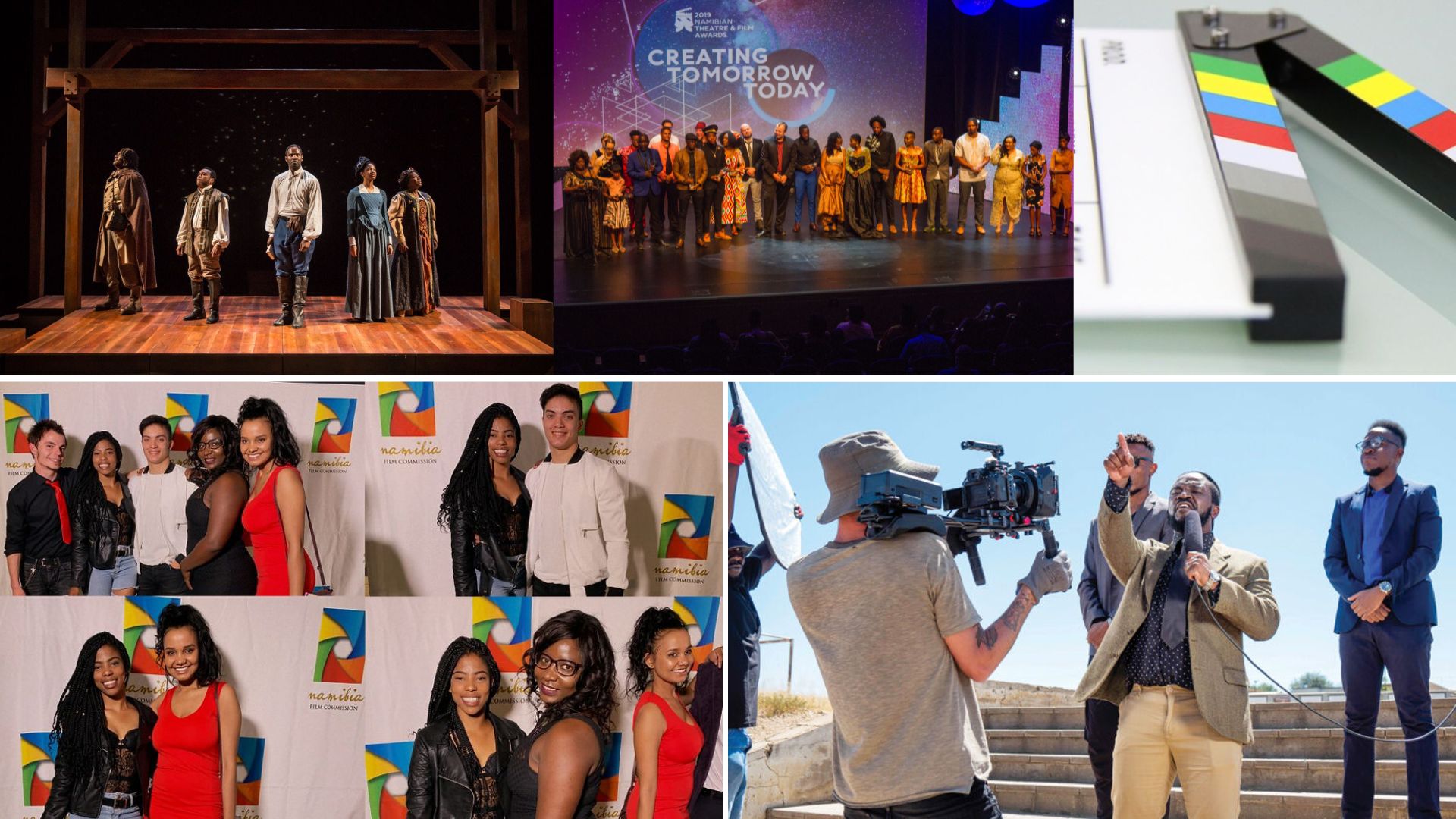
Namibia Film Industry
The Namibian film industry is relatively young but growing steadily. Films like "The White Line" and "Katutura" have garnered international attention, showcasing Namibian stories and talent. The Namibian Film Commission supports the industry by promoting local productions and attracting international filmmakers to the country's stunning landscapes.
Namibia Economy
Namibia has a mixed economy, with mining, agriculture, and tourism being major contributors.
The country is rich in natural resources, including diamonds, uranium, and gold. Tourism is
a significant industry, with attractions such as Etosha National Park, the Namib Desert, and
the Skeleton Coast drawing visitors from around the world.
Textile and Garment Industry, Mining, Telecommunications
Tourism, Financial Services, Manufacturing, Agriculture, Renewable Energy.